
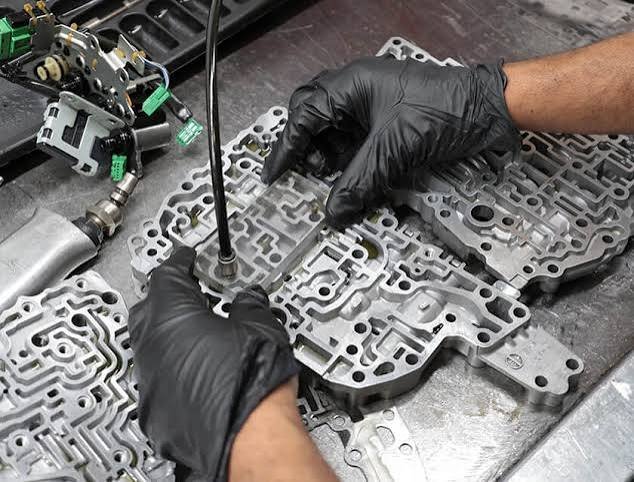
A vehicle’s transmission plays a vital role in delivering power from the engine to the wheels. When the transmission works correctly, drivers can enjoy smooth gear changes, consistent performance, and a comfortable driving experience. However, when transmission problems develop, even a short daily commute can become transmission repair glendale az stressful. For drivers searching for transmission repair Glendale AZ, finding a reliable automotive repair service is essential for maintaining vehicle performance, avoiding unnecessary expenses, and ensuring safer driving.
Whether you drive a car, SUV, pickup truck, or another type of vehicle, understanding common transmission issues and knowing how to select a qualified repair shop can help you make informed decisions. From recognizing early warning signs to comparing repair estimates, a little preparation can make the repair process easier and more manageable.
Understanding the Importance of Transmission Maintenance
The transmission is responsible for transferring engine power to the wheels while adjusting gear ratios according to driving conditions. Automatic transmissions change gears with limited driver input, while manual transmissions require the driver to operate the clutch and gear selector. Both systems need proper maintenance to operate efficiently.
Over time, transmission components can experience wear due to heat, friction, fluid deterioration, and normal driving conditions. Stop-and-go traffic, heavy loads, frequent towing, and extended driving in hot weather may also place additional stress on certain transmission systems.
In Glendale, Arizona, high summer temperatures make vehicle maintenance particularly important. Excessive heat can contribute to fluid breakdown and increase thermal stress on automotive components. Although not every transmission problem is caused by temperature, regular inspections and manufacturer-recommended servicing can help identify developing issues before they become more serious.
Professional transmission repair services can assess the condition of the system, identify damaged components, and recommend suitable solutions based on the vehicle’s needs.
Common Signs Your Vehicle Needs Transmission Repair
Recognizing transmission trouble early may help prevent additional damage. If your vehicle begins behaving differently, pay attention to changes in its performance.
1. Delayed or Harsh Gear Shifting
A noticeable delay when shifting from park to drive or reverse may indicate a transmission-related problem. Drivers may also experience sudden jerking or unusually hard gear changes while accelerating.
These symptoms can result from several issues, including low or deteriorated transmission fluid, electronic control problems, or internal component wear. A professional diagnosis can help determine the actual cause.
2. Unusual Noises
Grinding, whining, humming, or clunking sounds may suggest that something is not functioning properly. The type of noise and when it occurs can help a technician narrow down the possible causes.
Because similar sounds can originate from other drivetrain components, it is important to have the vehicle inspected rather than assuming the transmission is responsible.
3. Transmission Fluid Leaks
Reddish, brown, or otherwise unusual fluid beneath a parked vehicle may indicate a leak, although fluid color varies by type and condition. Transmission fluid helps lubricate components, manage heat, and support proper operation in many automatic transmission systems.
Driving with insufficient fluid can cause significant damage. If you notice a suspected leak, arrange an inspection promptly and avoid driving the vehicle if it is losing fluid rapidly or showing serious symptoms.
4. Slipping Gears
Transmission slipping occurs when the vehicle unexpectedly changes gears, struggles to maintain a selected gear, or experiences rising engine speed without a corresponding increase in road speed.
This symptom should not be ignored. Continuing to drive with a slipping transmission may worsen existing damage and increase repair costs.
5. Warning Lights
A check engine light or transmission warning may indicate an electronic, sensor, or mechanical problem. Modern vehicles often store diagnostic trouble codes that help technicians identify the affected system.
A warning light does not automatically mean the transmission needs replacement. Accurate testing is necessary before deciding which repair is appropriate.
How to Find Reliable Transmission Repair Glendale AZ Services
Choosing the right repair shop requires more than comparing prices. A dependable automotive service provider should offer accurate diagnostics, transparent communication, and repair recommendations that match your vehicle’s condition.
Look for Specialized Transmission Experience
Transmission systems can be complex, particularly in newer vehicles equipped with advanced electronic controls, continuously variable transmissions, or dual-clutch systems.
When researching repair shops in Glendale, ask whether their technicians have experience with your vehicle’s make, model, year, and transmission type. Specialized experience can be especially valuable when dealing with complicated shifting problems or recurring transmission faults.
A qualified shop should be able to explain its diagnostic process and identify the tests needed before recommending major repairs.
Check Customer Reviews and Reputation
Online reviews can provide useful information about a repair shop’s customer service, workmanship, communication, and pricing practices. Look for consistent feedback rather than relying on one exceptionally positive or negative review.
Pay attention to comments describing how the business handled unexpected repair costs, explained technical issues, and responded to customer concerns.
You can also ask friends, family members, and coworkers in the Glendale area for recommendations based on their experiences.
Request a Detailed Diagnostic Assessment
A reliable repair provider should investigate the underlying cause of a problem before suggesting an expensive solution. Depending on the symptoms, the process may include scanning diagnostic codes, inspecting fluid condition, checking for leaks, evaluating electronic controls, and performing appropriate road tests.
Not every vehicle requires every test. The diagnostic procedure should reflect the specific symptoms and the manufacturer’s service recommendations.
Before approving extensive work, ask whether the shop charges a diagnostic fee and whether that fee will be applied toward the final repair bill.
Compare Written Estimates
Transmission repairs can range from relatively simple maintenance to extensive internal rebuilding or complete replacement. Costs depend on the vehicle, parts availability, labor requirements, and the severity of the damage.
Request a written estimate that identifies the recommended work, expected parts and labor costs, and any additional fees. If the proposed repair is expensive, obtaining a second opinion may help you evaluate whether the recommendation is reasonable.
Be cautious of unusually low estimates that do not clearly explain what is included. The cheapest option may not offer the best long-term value if important repairs or necessary components are excluded.
Ask About Warranties
Before authorizing a transmission repair, ask what warranty covers the parts and labor. Find out how long the coverage lasts, whether mileage limits apply, and what conditions could invalidate it.
A clear written warranty helps you understand your options if the repaired component develops another problem. Warranty terms vary between repair providers, so review the details instead of assuming all shops offer the same protection.
Understanding Transmission Repair Options
Once the problem has been identified, a technician may recommend one of several approaches.
Transmission fluid service: If the manufacturer recommends servicing the fluid and the system’s condition supports it, replacing the fluid or filter may be appropriate. However, fluid service cannot repair damaged internal components.
Component repair: Some issues involve specific parts, such as sensors, solenoids, seals, wiring, or other replaceable components. Repairing the affected part may restore proper operation without requiring a complete transmission replacement.
Transmission rebuilding: A rebuild involves disassembling the transmission, inspecting its internal components, and repairing or replacing parts according to the extent of the damage.
Transmission replacement: In cases involving severe damage, a replacement unit may be more practical. Options can include new, remanufactured, or used transmissions, depending on availability and the vehicle’s requirements.
A trustworthy technician should explain the advantages, limitations, costs, and warranty coverage associated with the available options.
Preparing Your Vehicle for a Repair Appointment
You can help a technician diagnose transmission problems by providing clear information about your vehicle’s symptoms.
Before your appointment, make a note of when the problem occurs. For example, does the vehicle hesitate during cold starts, shift roughly during acceleration, or make noise after extended driving? Mention any warning lights, fluid leaks, recent maintenance, or previous transmission repairs.
Bring relevant service records if available. This information can help the technician understand the vehicle’s maintenance history and identify possible connections between previous work and the current symptoms.
If the vehicle is slipping severely, producing strong burning odors, leaking substantial fluid, or struggling to move, avoid driving it to the repair shop. Arrange professional guidance or towing to reduce the risk of further damage.
Preventing Future Transmission Problems
Preventive maintenance can help extend transmission life and reduce the likelihood of unexpected breakdowns.
Follow the maintenance schedule specified in your owner’s manual, including transmission fluid and filter service when applicable. Use the correct fluid specification because different transmissions require different products.
Avoid exceeding the vehicle’s towing capacity, and follow the manufacturer’s guidance when carrying heavy loads. If your vehicle frequently operates under demanding conditions, ask a qualified technician whether the manufacturer recommends a different maintenance schedule.
Address unusual noises, shifting delays, leaks, and warning lights promptly. Small symptoms do not always indicate major damage, but investigating them early may help prevent a manageable issue from becoming more expensive.
In Arizona’s hot climate, maintaining the cooling system is also important. Engine and transmission cooling arrangements vary by vehicle, so have the relevant systems inspected according to the manufacturer’s recommendations.
Conclusion
Finding dependable transmission repair Glendale AZ services begins with understanding your vehicle’s symptoms and choosing an automotive repair shop that prioritizes accurate diagnostics, clear estimates, and professional workmanship. By checking customer reviews, asking about technician experience, comparing repair options, and reviewing warranty terms, you can make a more confident decision.
Transmission problems should never be ignored, especially when they affect shifting, acceleration, or the vehicle’s ability to move safely. Timely professional attention can help identify the cause, protect other drivetrain components, and determine the most appropriate repair.
Whether your vehicle needs routine maintenance, a component replacement, a transmission rebuild, or a complete replacement, selecting a qualified repair provider can help you maintain reliable performance on Glendale’s roads. Regular maintenance and prompt attention to warning signs are practical steps toward extending your vehicle’s service life and avoiding preventable repair expenses.