
In modern construction, manufacturing, and engineering, selecting the right materials is crucial for performance, durability, and cost-effectiveness. Traditional materials such as steel, aluminum, and wood have long been used due to their availability and structural reliability. However, advancements in material science have introduced alternatives like pultruded profile, which are increasingly gaining attention for their unique combination of strength, lightweight, and corrosion resistance. This article explores the key differences between pultruded profiles and traditional materials and highlights the benefits of integrating them into modern applications.
Understanding Pultruded Profiles
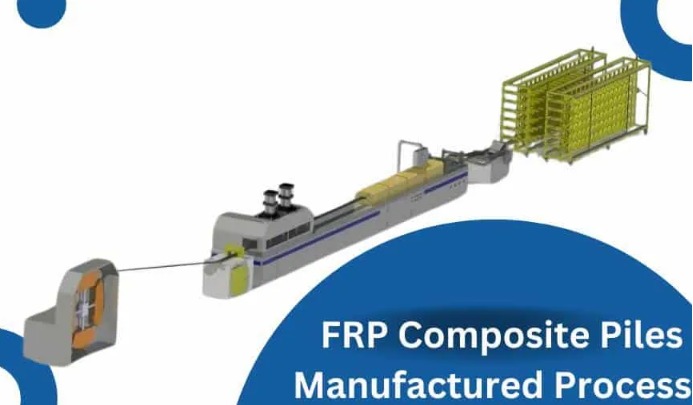
A pultruded profile is a composite material created through a continuous process called pultrusion, where fibers such as glass or carbon are saturated with resin and pulled through a heated die to form a specific cross-sectional shape. This process ensures that the resulting profile has uniform strength, consistent dimensions, and excellent mechanical properties. Pultruded profiles are often used in structural components, architectural designs, industrial frameworks, and infrastructure projects due to their versatility and long-term reliability.
Unlike traditional materials, pultruded profiles are engineered at the molecular level to provide superior performance. This engineering allows manufacturers to customize the properties of the material, including tensile strength, stiffness, and resistance to environmental factors such as moisture, chemicals, and UV exposure.
Strength and Weight Comparison
One of the most significant differences between pultruded profiles and traditional materials is the strength-to-weight ratio. While steel and aluminum are strong, they are relatively heavy, which can increase installation costs and structural demands. Wood, although lightweight, lacks uniform strength and is susceptible to decay and warping over time.
Pultruded profiles, on the other hand, offer high strength while remaining remarkably lightweight. This characteristic allows for easier handling, reduced structural load, and lower transportation costs. Engineers and designers can use pultruded profiles to create structures that maintain structural integrity without adding excessive weight, making them ideal for applications like pedestrian bridges, platforms, and outdoor furniture.
Durability and Corrosion Resistance
Traditional materials often require extensive maintenance to prevent corrosion or degradation. Steel is prone to rust, aluminum can suffer from pitting in harsh environments, and wood is vulnerable to rot and insect damage. These challenges can increase the long-term costs and reduce the lifespan of structures made from traditional materials.
Pultruded profiles are inherently resistant to corrosion and environmental degradation. The resin matrix in the composite protects the embedded fibers, preventing moisture absorption and chemical damage. This makes pultruded profiles ideal for use in marine environments, chemical plants, and outdoor applications where exposure to harsh weather and corrosive agents is common. Unlike steel or wood, pultruded profiles maintain their strength and appearance over decades without the need for extensive maintenance.
Thermal and Electrical Insulation
Another important advantage of pultruded profiles is their natural insulating properties. Traditional metals like steel and aluminum conduct heat and electricity, which can create challenges in certain applications. For example, metal railings or supports in electrical installations may require additional insulation to prevent conductivity and heat transfer.
Pultruded profiles, being non-metallic composites, offer excellent thermal and electrical insulation. This property allows them to be used in applications where electrical safety is crucial, such as cable trays, ladders, and industrial enclosures. Additionally, their low thermal conductivity makes them more comfortable to touch in outdoor environments, unlike metal components that can become extremely hot or cold.
Design Flexibility
Pultruded profiles offer exceptional design flexibility compared to traditional materials. The pultrusion process allows for the creation of complex cross-sectional shapes, including I-beams, channels, angles, and custom profiles, without compromising strength or uniformity. Traditional materials often require cutting, welding, or assembly, which can introduce weaknesses and inconsistencies.
Moreover, pultruded profiles can be manufactured in a wide range of colors, textures, and finishes without additional coating. This reduces the need for painting or surface treatments, saving time and maintenance costs while enhancing aesthetic appeal. Architects and designers increasingly prefer pultruded profiles for visible structures where both appearance and functionality matter.
Cost Considerations
While the initial material cost of pultruded profiles may be higher than some traditional materials, their long-term cost-effectiveness often outweighs the upfront investment. The lightweight nature of pultruded profiles reduces transportation and labor costs. Their durability and resistance to corrosion significantly lower maintenance and replacement expenses over time. Additionally, faster installation times due to reduced handling and cutting needs contribute to overall project efficiency.
Traditional materials like steel may be cheaper initially, but the costs associated with corrosion protection, painting, and structural reinforcement can make them more expensive in the long run. Wood, although inexpensive, requires frequent treatment and replacement, further increasing lifecycle costs.
Environmental and Sustainability Benefits
Sustainability is a growing concern in modern construction and industrial projects. Pultruded profiles offer several environmental advantages compared to traditional materials. Many pultruded composites are manufactured using recyclable fibers and resins, reducing reliance on virgin raw materials. Their long lifespan and low maintenance requirements also minimize resource consumption over time.
In contrast, steel production is energy-intensive and generates significant greenhouse gas emissions. Wood harvesting, if not managed sustainably, can contribute to deforestation. By choosing pultruded profiles, companies and builders can reduce their environmental footprint while achieving high-performance results.
Applications Where Pultruded Profiles Outperform Traditional Materials
Pultruded profiles have proven their value in a wide range of applications where traditional materials face limitations. Examples include:
- Industrial platforms and walkways: Lightweight and corrosion-resistant pultruded profiles are ideal for chemical plants and offshore structures.
- Infrastructure components: Bridges, pedestrian walkways, and guardrails benefit from the strength-to-weight ratio and low maintenance of pultruded profiles.
- Architectural structures: Custom shapes and finishes allow designers to create visually appealing structures without compromising durability.
- Electrical and thermal insulation applications: Non-conductive and low-thermal-conductivity pultruded profiles are perfect for cable trays, ladders, and enclosures.
- Outdoor furniture and recreational structures: Weather-resistant and long-lasting pultruded profiles outperform treated wood or metal in outdoor conditions.
Conclusion
Comparing pultruded profiles to traditional materials highlights a significant shift in how engineers, architects, and designers approach material selection. Pultruded profiles offer superior strength-to-weight ratios, corrosion resistance, thermal and electrical insulation, design flexibility, and long-term cost savings. While traditional materials like steel, aluminum, and wood remain relevant for many applications, pultruded profiles provide a modern alternative that meets the demands of high-performance and sustainable construction.
As industries continue to seek durable, low-maintenance, and environmentally friendly materials, pultruded profiles are increasingly becoming the preferred choice for innovative engineering solutions. By understanding the key differences and benefits, decision-makers can make informed choices that optimize both performance and value in their projects.