
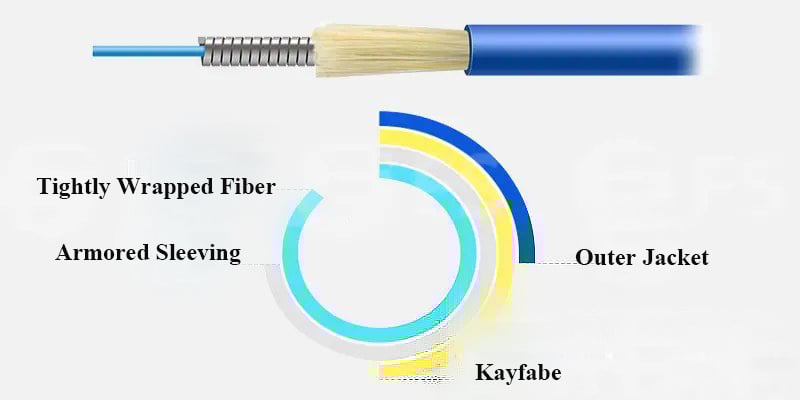
In the modern digital era, network reliability and data integrity are critical to the success of any organization. Whether it is an enterprise data center, industrial facility, or telecommunications hub, maintaining consistent connectivity is non-negotiable. One essential component that ensures secure and robust network connections is the armored patch cable. Designed to withstand harsh environmental conditions while delivering high-performance signal transmission, these cables are a reliable solution for businesses and network administrators aiming for long-term network stability.
Understanding Armored Patch Cable
An armored patch cable is a type of fiber optic cable that features additional protective layers compared to standard patch cables. The armor, usually made from metal or reinforced materials, encases the fiber strands to prevent damage from external forces such as crushing, rodent attacks, or physical impact. This makes armored patch cables especially suitable for environments where standard cables might fail due to mechanical stress or environmental hazards.
The primary purpose of an armored patch cable is to provide both security and durability. While traditional patch cables can transmit data effectively, they are more susceptible to breakage and signal degradation under challenging conditions. Armored versions, however, offer the same high-speed data transmission capabilities with the added benefit of resilience against physical threats.
Key Features of Armored Patch Cable
Armored patch cables come with several features that make them stand out from regular patch cables. One of the most important features is the protective armor layer, which acts as a shield against mechanical damage. This layer can be made from materials like stainless steel or tight-buffered metals that provide robust defense without significantly increasing cable diameter.
Another essential feature is the enhanced tensile strength of armored patch cables. This allows them to handle pulling, stretching, or bending during installation without compromising performance. The cables are often designed to be flexible yet strong, enabling installation in both indoor and outdoor environments, including under raised floors, in conduit systems, or exposed to industrial operations.
Additionally, many armored patch cables come with water-resistant and flame-retardant jackets, adding further protection in environments prone to moisture, fire, or chemical exposure. This combination of protective features ensures that fiber optic connections remain stable and secure, reducing the risk of downtime due to physical damage.
Benefits of Using Armored Patch Cable
The advantages of incorporating armored patch cables into your network infrastructure are substantial. First and foremost, reliability is greatly enhanced. By safeguarding the fiber strands from external harm, these cables maintain consistent signal integrity, preventing interruptions in critical operations. This is particularly important for industries like finance, healthcare, and telecommunications, where even minor network failures can have severe consequences.
Durability is another major benefit. The armored design extends the lifespan of the cable by protecting it from common hazards such as accidental impacts, rodent chewing, or harsh weather conditions. Organizations that invest in armored patch cables can expect fewer replacements and reduced maintenance costs over time, contributing to long-term operational efficiency.
Furthermore, armored patch cables are ideal for high-density network environments. In data centers where multiple cables are routed in confined spaces, the armor prevents tangling, crushing, and signal interference, ensuring a smooth and organized network setup. Their flexibility and ruggedness make them suitable for both horizontal and vertical cabling systems.
Applications of Armored Patch Cable
Armored patch cables are widely used across different sectors due to their robustness and versatility. In industrial settings, these cables are installed in manufacturing plants, warehouses, and outdoor facilities where machinery and environmental factors can damage regular fiber optic cables. Their strength and resistance to harsh conditions ensure uninterrupted connectivity even in challenging environments.
In data centers, armored patch cables are employed to connect servers, switches, and storage systems. High-density racks often require cables that can handle repeated handling and routing without compromising performance. The armored construction ensures that the cables can withstand frequent adjustments, reducing the risk of damage during maintenance activities.
Telecommunications networks also rely on armored patch cables for secure and reliable connections between network nodes. Outdoor deployments, including aerial and underground installations, benefit from the enhanced protection against environmental stressors. By using armored patch cables, telecom providers can improve network resilience and reduce service interruptions for end-users.
Choosing the Right Armored Patch Cable
When selecting an armored patch cable, several factors must be considered to ensure optimal performance. The first consideration is the fiber type, which can be single-mode or multi-mode. Single-mode cables are ideal for long-distance transmission, while multi-mode cables are suitable for shorter, high-bandwidth connections within data centers or campuses.
Next, the cable length and connector type should be matched to the network requirements. Armored patch cables are available with various connectors such as LC, SC, and MPO, depending on the equipment being connected. Choosing the correct connector ensures compatibility and minimizes signal loss.
Additionally, the level of armor protection should align with the installation environment. For areas with high risk of physical damage or rodent activity, a robust metal armor layer is preferred. For indoor applications where mechanical stress is moderate, a lighter armored cable may suffice, offering protection without excessive rigidity.
Lastly, sourcing armored patch cables from a trusted supplier like Fiber-mart ensures quality and consistency. Fiber-mart specializes in high-performance fiber optic solutions, providing cables that meet industry standards and deliver reliable performance for critical network deployments. By relying on reputable suppliers, organizations can avoid common issues such as poor signal quality or premature cable failure.
Installation and Maintenance Considerations
Proper installation of armored patch cables is crucial to fully leverage their durability. Installers should avoid sharp bends, kinks, or excessive pulling that could compromise the internal fiber strands despite the armor. Using cable management solutions such as trays, racks, and conduits can help maintain organized and secure cabling systems.
Routine maintenance is relatively minimal for armored patch cables due to their rugged construction. However, periodic inspections to check for visible damage or wear are recommended, especially in environments with high physical stress. Cleaning connectors and ensuring proper termination further ensures optimal signal quality and long-term reliability.
Conclusion
The armored patch cable is a vital component for modern network infrastructures requiring secure, durable, and high-performance connectivity. With their protective armor, enhanced tensile strength, and resistance to environmental hazards, these cables provide reliable solutions across industrial, commercial, and telecom applications. By choosing armored patch cables from trusted suppliers like Fiber-mart, organizations can safeguard their networks, reduce maintenance costs, and achieve consistent data transmission even in the most challenging conditions. Investing in armored patch cables is an investment in the long-term stability and security of your network infrastructure, ensuring that your connectivity solutions remain strong, reliable, and resilient.
Armored patch cables represent the future of robust network solutions, combining performance, protection, and peace of mind for enterprises and industrial operations alike.